

How to Build Strength That Actually Makes Daily Life Easier and Keeps You Capable for Years
Let's get into it... most people do not actually want to be "strong" in the gym. They want to carry groceries without strain, get up off the floor without thinking about it, play golf or tennis without stiffness, and move through their day feeling capable instead of worn down. Real strength is not about chasing numbers for the sake of it. It is about building a body that supports your life, not one that only performs under perfect gym conditions.
That distinction changes how you should approach training. If your goal is to feel better, move better, and stay capable long term, your plan needs to look different from a typical gym routine. It should reflect your schedule, your limitations, and the way your body actually moves outside the gym.
What “Useful Strength” Really Means
Strength that translates to daily life is built around movement patterns, not isolated muscles. In real life, you rarely use one muscle at a time. You bend, reach, carry, twist, and stabilize all at once.
That is why useful strength focuses on:
- Squatting and getting up from low positions
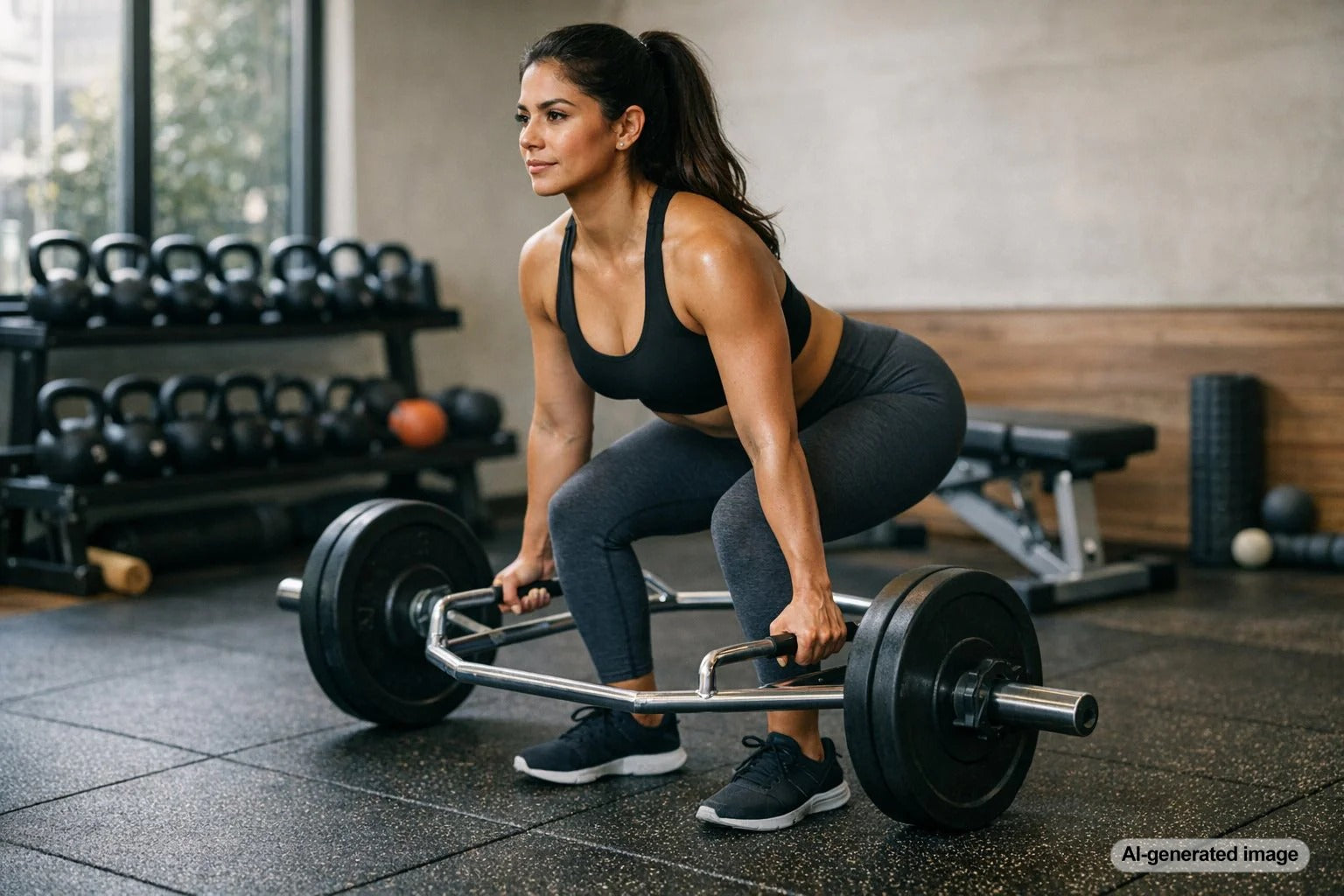
- Hinging to pick things up safely
- Pushing and pulling with control
- Carrying weight without strain
- Stabilizing your core while moving
If your workouts are built around these patterns, your strength starts to show up in everyday situations almost immediately.
Why Traditional Workouts Often Miss the Mark
Many adults spend years working out without seeing improvements in how they actually feel day to day. That usually comes down to a few common issues.
- Training muscles instead of movements
- Ignoring mobility limitations that affect strength
- Using machines that do not translate to real-world movement
- Progressing weight without improving control or stability
- Following generic programs that do not account for injuries or stiffness
These approaches can build strength in a narrow sense, but they do not always carry over to daily life. In some cases, they even make movement feel worse.
The Overlooked Role of Mobility in Strength
If you feel stiff, tight, or limited in certain positions, strength alone will not fix that. In fact, trying to force strength through limited ranges often leads to compensation patterns.
For example, if your hips do not move well, your lower back may take over during lifting. If your shoulders are restricted, your neck and upper traps may compensate during pressing or pulling.
Building useful strength means working within ranges you can control while gradually improving how you move. This is where a combination of mobility work and strength training becomes powerful.
How to Structure Training for Real-Life Carryover
You do not need complicated routines to build strength that matters. You need the right priorities and consistency.
A well-rounded approach often includes:
- Full-body training 2-4 times per week
- Focus on compound movements instead of isolated exercises
- Controlled tempo and quality reps
- Gradual progression based on your ability, not ego
- Short, targeted mobility work where needed
This kind of structure fits better into a busy schedule and creates more consistent results over time.
Different Starting Points Require Different Approaches
One of the biggest mistakes adults make is assuming they should train the same way as someone else.
If you are just getting started or returning after time off
Your focus should be on learning movement patterns, building coordination, and improving basic strength. This phase is about consistency and control, not intensity.
If you have been training but feel stuck
You may need to refine technique, address mobility limitations, or restructure your program. Many plateaus come from doing more of the same without fixing underlying issues.
If you have old injuries or ongoing stiffness
Your plan needs to work around those limitations while gradually improving what you can control. This is where generic programs often fall short.
For people who want more structure and feedback than a one-size-fits-all plan can provide, personalized online coaching can help align your training with your actual needs and constraints.
What Strength Should Feel Like in Daily Life
When your training is working, you notice it outside the gym.
- You move more confidently without overthinking
- Everyday tasks feel easier instead of draining
- You recover faster from physical activity
- You feel more stable and balanced
- You have fewer moments of "tweaks" or discomfort during normal movement
These changes tend to happen gradually, but they are far more meaningful than hitting a new number on a machine.
Busy Schedules and Real Constraints
Many adults assume they need long workouts or perfect consistency to build strength. In reality, the biggest factor is sustainability.
If you travel often, have a demanding job, or juggle family responsibilities, your plan needs to adapt to that. Short, focused sessions done consistently will outperform long, inconsistent workouts every time.
It also helps to remove unnecessary complexity. You do not need dozens of exercises. You need a small number of movements done well and progressed intelligently.
Strength for Golf, Tennis, and Staying Active
If you play sports like golf or tennis, strength becomes even more important. Not for performance alone, but for durability.
Rotational sports place repeated stress on the same areas of the body. Without a foundation of strength and stability, that stress can build up over time.
Training that includes core stability, controlled rotation, and balanced strength can help you stay active in these sports without feeling beat up after every session.
Why Personalized Guidance Matters More as You Age
As you get older, your training needs become more individual. Your history, mobility, recovery capacity, and schedule all play a bigger role.
This is where having a clear plan can make a major difference. If you are trying to figure out the smartest next step instead of guessing, working with Renovate My Body can help you build a structured approach that fits your life instead of fighting against it.
Strength that improves daily life is not about doing more. It is about doing the right things consistently, with a plan that fits your body and your schedule.
The Bottom Line
Building strength that actually makes daily life easier comes down to a simple shift in focus. Train movements, not just muscles. Respect your current limitations while working to improve them. Keep your approach simple, consistent, and aligned with your real life.
You do not need extreme workouts or complicated systems. You need a plan that helps you move better, feel stronger, and stay capable for the long term. That is the kind of strength that matters.
If your training does not make your daily life easier, it is worth rethinking your approach. The goal is not just to be strong in the gym, but to feel capable everywhere else.