

How To Stay Strong And Independent As You Get Older: A Practical Guide To Moving Well, Living Fully, and Staying Capable for Life
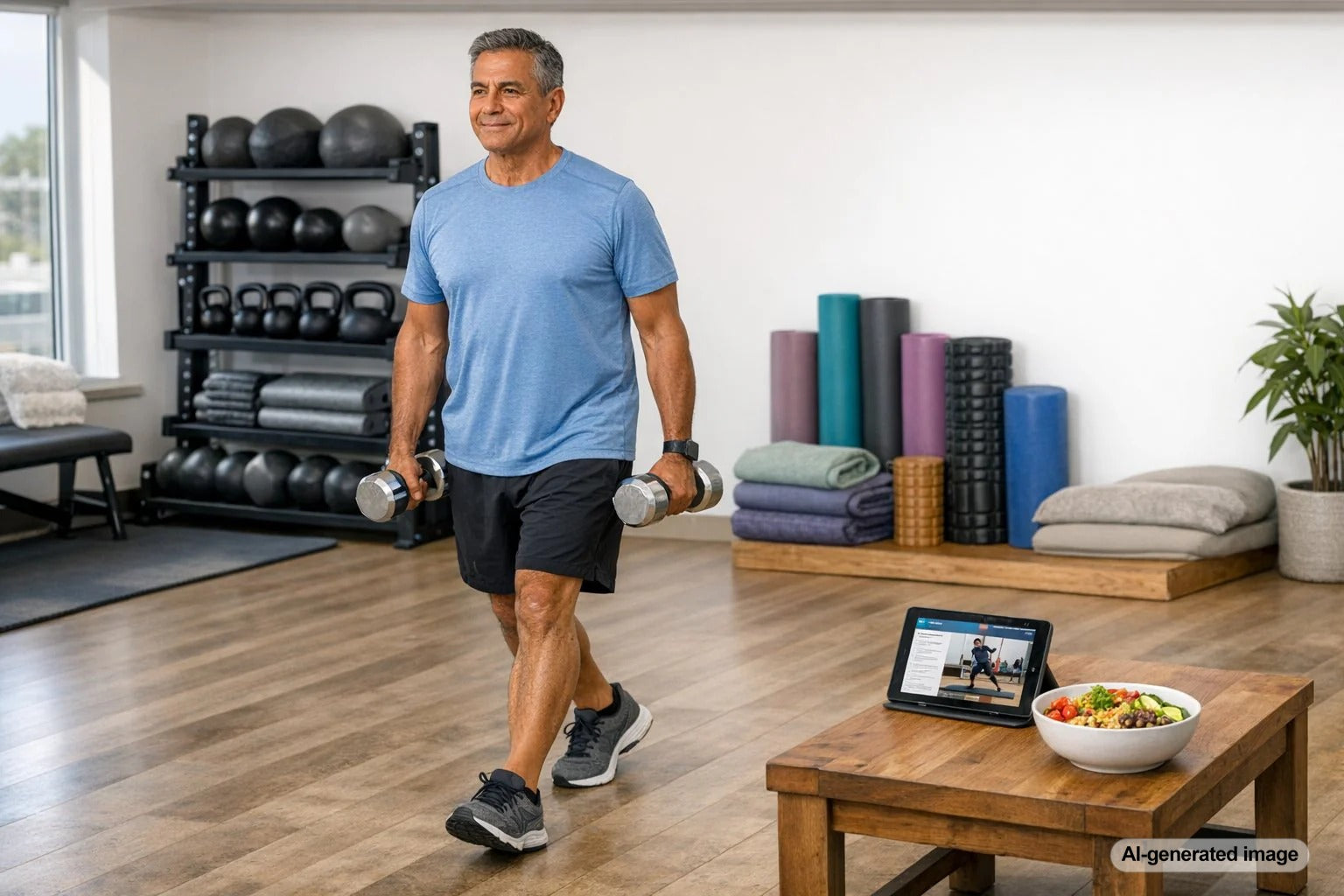
Let's start with the basics: staying strong and independent as you get older has less to do with chasing extreme workouts and more to do with keeping the body capable enough to handle real life. That means getting up from the floor without struggle, carrying groceries without thinking twice, walking stairs with confidence, keeping up with travel, hobbies, golf, tennis, grandkids, and everyday responsibilities without feeling fragile. For many adults, the smartest path is not doing more and more. It is doing the right things consistently, adjusting for your current body, and building strength and mobility in a way that supports the years ahead.
A lot of people assume losing strength, balance, and confidence is just part of aging. Some change is normal, but a large part of what people feel as "getting old" is really the result of less muscle, less movement variety, lower training consistency, and a plan that no longer matches their lifestyle. The good news is that adults can make meaningful improvements in strength, movement quality, and day-to-day capability when training is practical, progressive, and sustainable.
If you want to stay strong and independent as you get older, focus on three things: regular strength training, enough movement outside the gym, and a plan you can actually maintain during busy weeks, travel, stiffness, and life changes. The goal is not to train like an athlete in your 20s. The goal is to keep your body useful, resilient, and confident for decades.
Strength is the foundation of independence
Strength matters because it carries over into ordinary tasks that become harder when muscle and power drop off. Standing up from a low chair, lifting luggage into an overhead bin, climbing stairs, getting down to tie your shoes, and catching yourself when you lose balance all depend on having enough strength to meet the moment.
This is one reason generic cardio-only routines often leave adults disappointed. Walking is valuable, and it absolutely belongs in a long-term health plan, but walking alone usually does not do enough to maintain the kind of muscle and force production that helps you stay independent. A better approach includes regular resistance training with movements that train the legs, hips, core, upper body, and posture in a balanced way.
That does not mean every person needs barbell lifting. Depending on the individual, strength work may come from dumbbells, machines, cables, resistance bands, bodyweight drills, or a mix of all of them. What matters is that the body is challenged enough to keep adapting.
Mobility helps strength show up where you need it
Many adults do not actually have a motivation problem. They have a movement problem. They want to train, but their shoulders feel restricted, their hips feel stiff, their back gets cranky, or an old knee issue changes how they move. In those cases, a plan that ignores mobility tends to create frustration fast.
Mobility is not about becoming unusually flexible. It is about having enough usable range of motion and control to move well during daily life and exercise. A person who can squat to a chair comfortably, rotate through the upper back, reach overhead without compensation, and control a hinge pattern has a much better chance of staying active than someone who is simply trying to push harder through bad positions.
This is especially important for adults returning to exercise after a long gap. They often remember what they used to do, but their current body may need a different entry point. A few well-chosen mobility drills, better warm-ups, and smarter exercise selection can make training feel productive again instead of punishing.
The best plan changes based on who you are right now
One of the biggest mistakes adults make is following a plan built for someone with a different body, schedule, and recovery capacity. A beginner in their 60s, a former athlete getting back into shape at 48, and a busy executive who travels weekly all need different solutions, even if they share the same big goal of staying strong for life.
Here are a few common scenarios that change what good training looks like:
- The beginner or returner: Usually needs simple movement patterns, manageable soreness, and enough success early on to build momentum.
- The experienced adult: Often benefits from better exercise sequencing, smarter recovery, and less unnecessary volume rather than more intensity.
- The busy traveler: Needs workouts that can flex between full gym, hotel gym, and minimal-equipment sessions without losing progress.
- The golfer or tennis player: Usually needs strength, rotation control, single-leg stability, and enough mobility to play without feeling beat up afterward.
This is why personalization matters. For people who want more structure and feedback than a generic plan can provide, online coaching can make a big difference because the program can be built around goals, schedule, equipment, and limitations instead of forcing you into a one-size-fits-all template.
What adults over 40 and 50 often get wrong
- Doing random workouts instead of following a repeatable progression.
- Training hard on good weeks, then doing almost nothing on busy weeks.
- Ignoring strength because they think mobility classes or cardio are enough.
- Pushing through pain signals instead of adjusting exercise choice or volume.
- Believing every session has to feel intense to count.
Consistency usually beats intensity for this stage of life. That is true not because adults should lower expectations, but because durability matters. A plan that leaves you wiped out, overly sore, or constantly restarting is usually the wrong plan, even if it looks impressive on paper.
Recovery is another overlooked piece. Adults with demanding careers, families, uneven sleep, and higher stress loads do not always respond well to the same training density they handled years ago. They may still be highly capable, but they often do better with thoughtful exercise selection, better pacing, and realistic weekly structure.
Independence is built outside the gym too
Training sessions matter, but so does everything around them. Staying independent as you get older is easier when strength work is paired with basic habits that support energy, body composition, and recovery.
That includes walking regularly, getting enough protein across the day, sleeping as consistently as possible, and avoiding the boom-and-bust cycle of being "on" for two weeks and "off" for the next month. It also helps to keep daily movement variety in your life. Take stairs. Carry things. Get down to the floor and back up. Move in different directions. These simple actions reinforce the idea that your body is meant to stay in use.
Another overlooked factor is body composition. This is not about chasing a certain look. It is about recognizing that excess body fat combined with low muscle can make movement feel harder, recovery feel slower, and daily life feel more effortful. Gradual, sustainable nutrition habits can support a stronger body without turning life into a rigid food plan.
How to think about your training for the long term
The goal is not to prove something in one workout. The goal is to still be active, capable, and confident years from now. That means your training should help you do real-life things better, not just survive the session.
A strong long-term plan usually includes lower-body strength, upper-body pushing and pulling, core stability, balance or single-leg work, and enough mobility to keep positions clean and comfortable. It should also leave room for life. If your schedule gets hectic, the plan should scale rather than collapse.
If you are trying to figure out the smartest next step instead of guessing, the programs page may be a useful starting point. And if you want coaching built around your schedule, goals, and limitations, apply for coaching to explore a more personalized long-term approach.
Staying strong and independent as you get older comes down to building a body that can keep meeting the demands of your life. Prioritize strength, support it with mobility, train in a way that fits your reality, and stay consistent enough that progress can compound. You do not need extremes. You need a smart plan, steady effort, and a clear reason for why you are training in the first place.
This content is for educational purposes only and is not intended to replace medical advice, diagnosis, or treatment. If you are dealing with an injury, pain, or a health concern, consult a qualified healthcare professional before changing your exercise or nutrition routine.