

How To Stay Strong And Mobile As You Age: The Smarter, Sustainable Approach Most Adults Miss
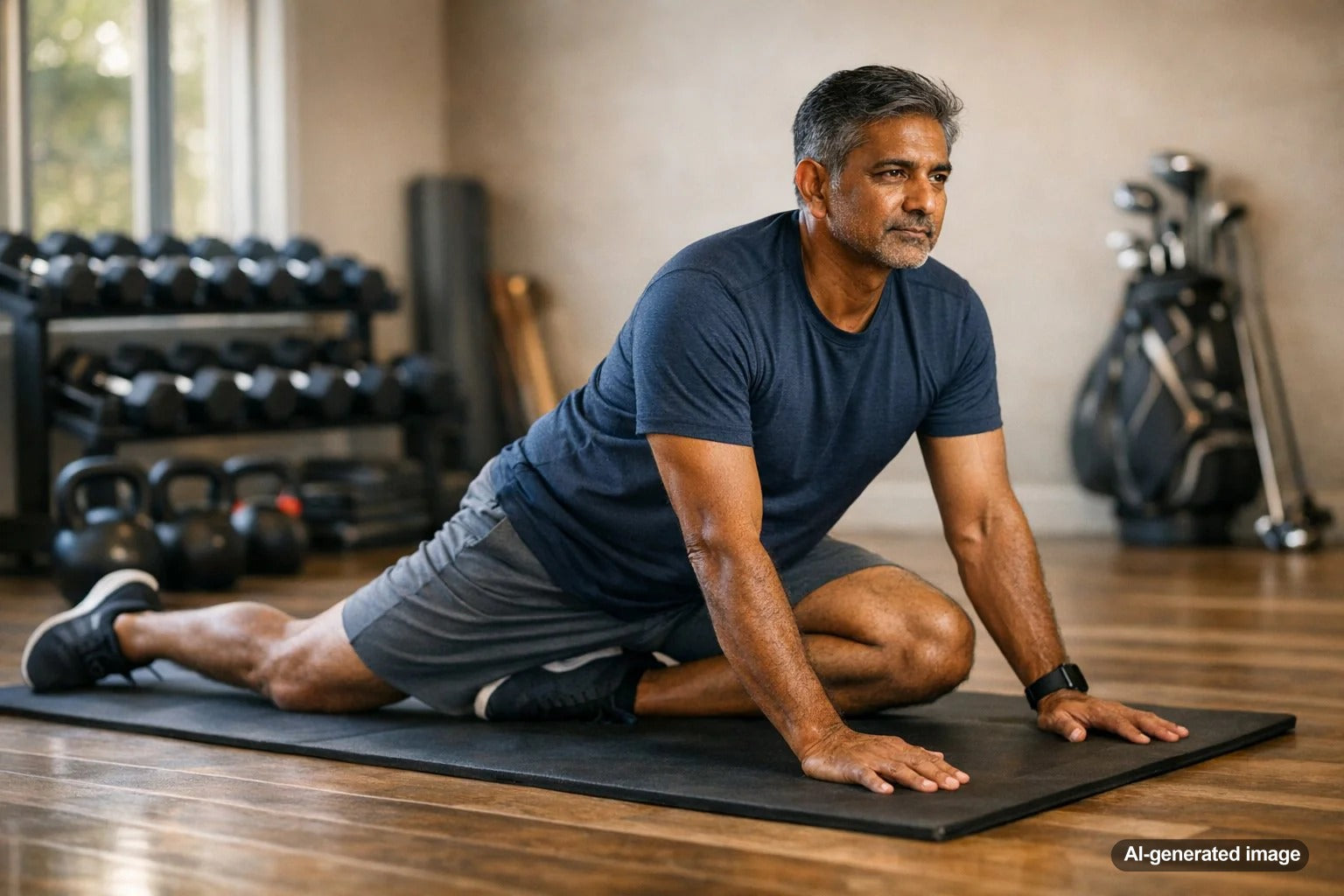
There is a better way to think about it. Staying strong and mobile as you age is not about pushing harder, doing more, or chasing what worked in your 20s. It is about training in a way that matches your current life, your history, and where you want to be 10 or 20 years from now. When you approach it this way, strength and mobility stop feeling like separate goals and start working together to help you stay capable for life.
For many adults, the real challenge is not motivation. It is knowing what actually works when you are balancing work, family, old injuries, and a body that does not always respond the way it used to. That is where a more thoughtful approach makes the difference. For people who want more structure and feedback than a generic plan can provide, online coaching can help connect the dots between what you are doing and how your body responds over time.
Strength And Mobility Are Not Separate Goals
One of the most common mistakes adults make is treating strength and mobility as two different things. Strength is not just about lifting heavier weights. Mobility is not just about stretching more. In reality, they overlap.
When you build strength through a full, controlled range of motion, you are also improving mobility. When you improve joint control and positioning, you make strength work safer and more effective. The goal is not flexibility for its own sake. The goal is usable mobility that supports how you move every day.
This is why a well-designed program often includes:
- Strength exercises that challenge stability and control
- Mobility work that directly supports your lifts and movements
- Progressions that match your current ability, not your past
What Changes As You Get Older And Why It Matters
A big part of staying strong and mobile is understanding what actually changes over time. It is not just age itself. It is how your body responds to stress, recovery, and consistency.
Some patterns that show up for many adults include:
- Longer recovery times after hard sessions
- More sensitivity to volume and poor technique
- Lingering stiffness from old injuries or repetitive work positions
- Less tolerance for random, inconsistent training
This does not mean you need to train lightly. It means your training needs to be more intentional. Random workouts might feel productive in the moment, but they often lead to plateaus or setbacks.
The Difference Between Beginners, Returners, And Experienced Lifters
Not everyone starts from the same place, and that matters more than most people realize.
A true beginner often needs to build coordination, basic strength, and confidence. A returning adult may already have some strength but also carries stiffness, past injuries, or gaps in consistency. Someone experienced may need smarter programming to keep progressing without overloading their joints.
This is where generic advice falls short. Two people can follow the same workout and have completely different outcomes depending on their history and current limitations.
What Most Adults Get Wrong About Mobility
Mobility is often treated like an add-on. Something you do for five minutes at the end of a workout or skip entirely when you are short on time.
The problem is that mobility work is only useful when it is targeted and consistent. Random stretching rarely solves the root issue. What actually helps is:
- Identifying where you are limited and why
- Using controlled movements to improve those areas
- Reinforcing that mobility during strength training
For example, if your hips feel tight, the solution is not just stretching them. It may involve improving how you control your pelvis during squats or how you stabilize during single-leg work.
- Doing mobility work without connecting it to strength training
- Skipping warm-ups and jumping straight into heavy lifts
- Using outdated exercises that do not match current limitations
- Ignoring small aches until they become bigger issues
Consistency Beats Intensity For Long-Term Results
One of the biggest shifts that helps adults stay strong and mobile is moving away from all-or-nothing thinking. You do not need perfect weeks. You need consistent ones.
That might look like:
- Three focused training sessions per week instead of five inconsistent ones
- Short mobility work on off days instead of skipping it entirely
- Adjusting sessions based on how your body feels instead of forcing a plan
This approach builds momentum. It also reduces the risk of burnout or injury, which is often what derails progress for busy adults.
Training Around Real Life, Not Away From It
For many people, the biggest challenge is not the workout itself. It is fitting training into a schedule that includes work, travel, and family responsibilities.
This is where flexibility matters. A good plan accounts for real life instead of fighting against it. That might mean:
- Having shorter sessions available when time is tight
- Adjusting intensity during high-stress weeks
- Using simple equipment when you are traveling
It also means recognizing that progress is not linear. Some weeks will be better than others. The goal is to stay on track over months and years, not days.
Why Old Injuries And Stiffness Need A Different Approach
Many adults carry some level of discomfort from past injuries or years of repetitive movement. Ignoring those areas usually leads to frustration.
A smarter approach is to work around limitations while gradually improving them. This often includes:
- Modifying exercises instead of forcing painful positions
- Building strength in ranges that feel safe and controlled
- Progressing slowly as tolerance improves
This is not about avoiding challenges. It is about choosing the right ones.
What Staying Capable Actually Looks Like
Staying strong and mobile is not just about workouts. It shows up in how you move through your day.
It means:
- Getting up and down from the floor without hesitation
- Carrying groceries, luggage, or sports equipment with ease
- Playing golf or tennis without feeling limited by stiffness
- Having the energy to stay active without feeling run down
These are the outcomes most adults actually care about. The workouts are just the tool to get there.
If your training does not match your schedule, your history, and your current ability, it will eventually stop working. The right plan is not the most intense one. It is the one you can sustain while continuing to improve.
When A More Personalized Plan Makes Sense
There is a point where guessing stops working. If you are dealing with recurring stiffness, inconsistent progress, or uncertainty about what to do next, a more individualized approach can make a big difference.
That is where working with a coach who understands adult training can help simplify things. If you are trying to figure out the smartest next step instead of guessing, it may be worth exploring how Renovate My Body approaches strength and mobility for real-life clients.
Putting It All Together
Staying strong and mobile as you age is not about chasing trends or pushing through discomfort. It is about building a system that works with your body, not against it.
When you focus on controlled strength, targeted mobility, and consistent training that fits your life, you create something much more valuable than short-term results. You build the ability to keep doing what you enjoy for years to come.
The goal is not just to stay active. It is to stay capable. That comes from training with intention, respecting your current limitations, and committing to a plan you can actually sustain.