

The Best Way To Train For Longevity And Injury Prevention (A Smarter, Sustainable Approach That Actually Holds Up Over Time)
There is a lot of confusion around what it really means to train for longevity and injury prevention. Many people bounce between extreme workouts, random programs, or long stretches of inactivity, hoping something sticks. The reality is much simpler and more practical. The best way to train for long-term health is not about doing more, but about doing the right things consistently, with a plan that respects your body, your schedule, and your history.
For adults who want to stay strong, mobile, and capable for decades, the goal is not to chase short-term intensity. It is to build a system that works even when life gets busy, stress goes up, or old aches start to show up again. That is where thoughtful, structured training makes a difference, especially when it is built around your individual needs, like the approach used in online coaching.
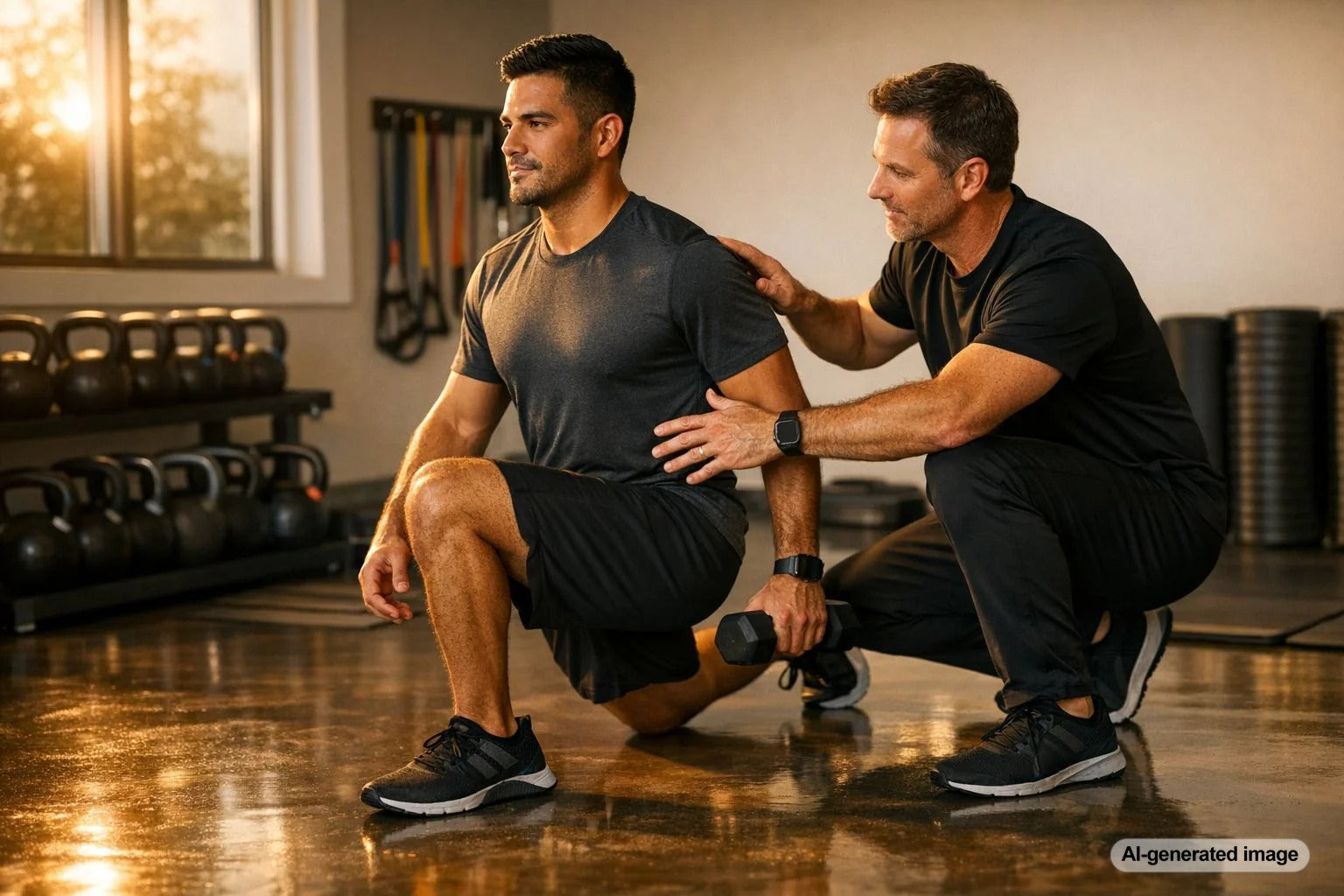
Longevity Training Is About Capacity, Not Just Fitness
Most people think of fitness as how hard they can push in a workout. Longevity training flips that idea. It focuses on building capacity, meaning how well your body can handle life without breaking down.
This includes:
- Strength that supports daily movement and sport
- Joint mobility that allows smooth, pain-free motion
- Control and coordination under load
- Recovery ability between sessions
Instead of asking "How much can I do today?" the better question becomes "What can I keep doing consistently for years without setbacks?"
Why Most Injury Prevention Advice Falls Short
Many people are told to stretch more, avoid certain exercises, or just "listen to your body." While those ideas are not wrong, they are incomplete.
Common problems that lead to setbacks include:
- Jumping into high intensity programs too quickly
- Ignoring strength in favor of cardio or classes
- Repeating the same movement patterns without balance
- Not adjusting training after injuries or long layoffs
Injury prevention is not about avoiding effort. It is about building resilience through smart, progressive training.
The best way to train for longevity and injury prevention is to combine strength training, mobility work, and controlled progression, while adjusting for your lifestyle, recovery, and past limitations.
Strength Training Is the Foundation
If there is one non-negotiable for long-term health, it is strength training. Not bodybuilding-style extremes, but controlled, purposeful strength work.
Strength supports:
- Joint stability
- Muscle balance
- Bone density
- Movement efficiency
For adults over 40 or those returning after time off, the focus should be on mastering fundamental patterns like squatting, hinging, pushing, pulling, and carrying. These patterns translate directly to real life, from lifting luggage to playing golf or tennis.
What Many People Get Wrong
Some people avoid strength training because they think it will aggravate old injuries. Others go too heavy too soon. Both approaches can lead to frustration.
The key is progression. Starting at the right level, refining technique, and gradually increasing demand over time.
Mobility Is About Control, Not Just Stretching
Mobility often gets reduced to quick stretches at the end of a workout. In reality, effective mobility work is about improving how you move under control.
For example:
- Can your hips move freely during a squat?
- Can your shoulders stay stable during pressing movements?
- Can your spine stay controlled during rotation?
This is especially important for people who sit a lot, travel frequently, or have a history of stiffness. Mobility work should be integrated into your training, not treated as an afterthought.
Consistency Beats Intensity Every Time
Busy adults often fall into an all-or-nothing pattern. They go hard for a few weeks, then fall off when life gets hectic.
A better approach is to build a plan that works even on your busiest weeks. That might mean:
- Shorter, focused sessions instead of long workouts
- Adjusting intensity based on stress and recovery
- Prioritizing frequency over exhaustion
Consistency is what builds strength, mobility, and resilience over time. Not occasional bursts of effort.
- Trying to follow programs designed for younger or highly trained individuals
- Ignoring minor aches until they become bigger issues
- Skipping warm-ups or movement prep
- Over-relying on random workouts without structure
Training Should Adapt to Your Life, Not the Other Way Around
One of the most overlooked aspects of longevity training is adaptability. Your program should account for:
- Work schedule and travel
- Sleep quality and stress levels
- Previous injuries or limitations
- Recreational activities like golf or tennis
For example, someone who plays golf regularly may need more rotational control and hip mobility work. Someone who travels frequently may benefit from simpler, repeatable workouts that do not rely on perfect gym conditions.
This is where personalized structure becomes valuable. Instead of guessing what to do next, you follow a plan that evolves with you.
Recovery Is Part of the Program
Recovery is often treated as something separate from training, but it is part of the same system. Without proper recovery, even well-designed programs can lead to setbacks.
Key recovery factors include:
- Sleep quality
- Daily movement outside the gym
- Managing overall stress
- Spacing out training sessions appropriately
Longevity training is not about pushing through fatigue. It is about knowing when to push and when to scale back.
What This Looks Like in Real Life
A sustainable longevity-focused plan often includes:
- 2-4 strength sessions per week
- Mobility integrated into warm-ups and movement prep
- Low-impact conditioning when appropriate
- Built-in flexibility for busy or high-stress weeks
For someone returning after years off, this might mean starting with simpler movements and gradually rebuilding confidence. For someone already active, it might mean refining technique and addressing imbalances that have been ignored.
If you are unsure what that should look like for you, or you have tried multiple approaches without lasting success, it may be worth exploring a more structured, personalized approach like apply for coaching.
The Bigger Picture: Training for Life, Not Just the Gym
Training for longevity is not about chasing a temporary peak. It is about building a body that supports your lifestyle, whether that means staying active with your family, traveling comfortably, or continuing to play the sports you enjoy.
When your training is built around strength, mobility, consistency, and adaptability, you are not just working out. You are investing in how you will move and feel years from now.
The best way to train for longevity and injury prevention is to follow a structured, adaptable plan that builds strength, supports mobility, and fits your real life. Done consistently, this approach helps you stay capable, resilient, and active for the long term.